
The rapid adoption of cloud technologies has fundamentally transformed how businesses store, process, and manage their digital assets. As organisations across the North West and throughout the UK migrate critical operations to cloud platforms, the relationship between cloud computing and data security has become a paramount concern for IT decision-makers. Understanding how to protect sensitive information whilst leveraging the flexibility and scalability of cloud infrastructure requires a comprehensive approach that addresses both technical controls and organisational policies.
Understanding the Cloud Security Landscape
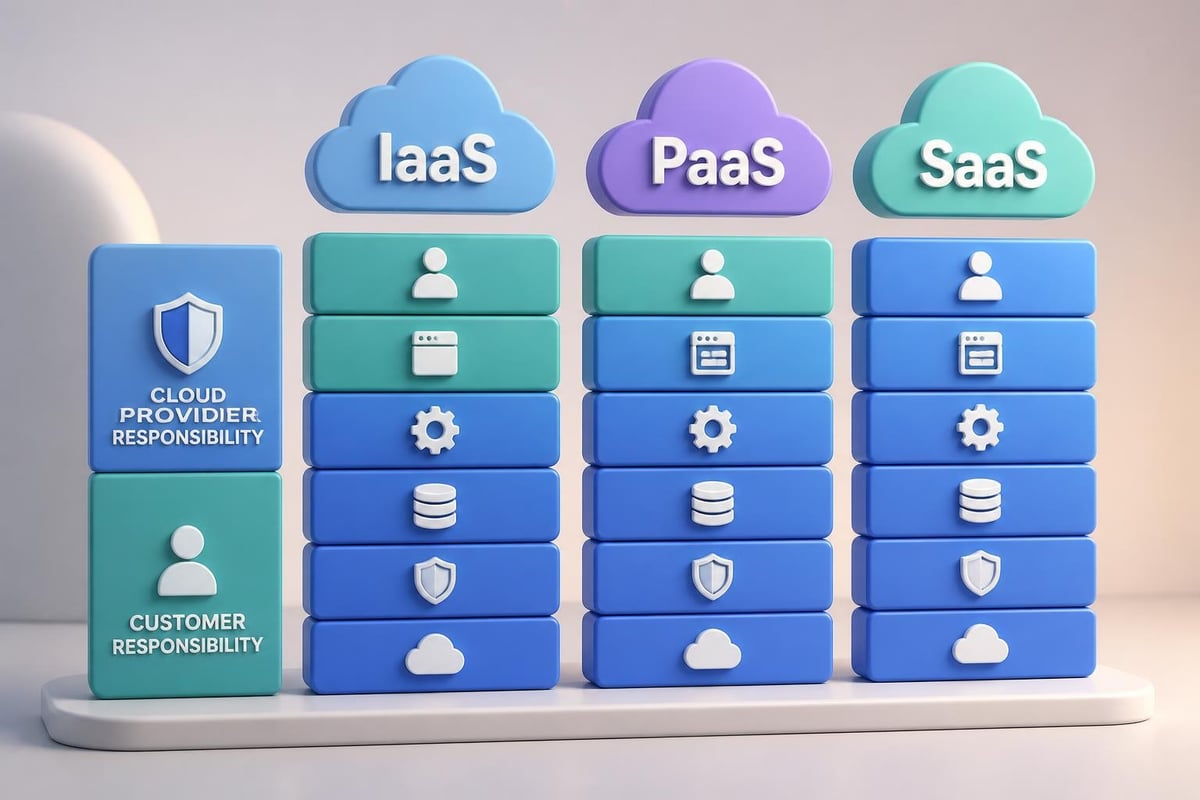
Cloud computing and data security intersect at multiple layers of modern IT infrastructure. The shared responsibility model that governs cloud environments means businesses must clearly understand which security controls they manage and which fall under their provider's remit. This distinction varies significantly depending on whether you're using Infrastructure as a Service (IaaS), Platform as a Service (PaaS), or Software as a Service (SaaS) solutions.
The Shared Responsibility Framework
Cloud providers typically secure the underlying infrastructure, including physical data centres, network architecture, and virtualisation layers. However, businesses remain responsible for:
- Securing their data through encryption and access controls
- Managing user identities and authentication mechanisms
- Configuring security settings within cloud applications
- Maintaining compliance with industry regulations
- Monitoring for suspicious activities and potential breaches
This division of responsibilities means that even with robust provider security, organisations must implement their own protective measures. Microsoft’s comprehensive overview of cloud data security emphasises that understanding these boundaries is fundamental to preventing security incidents.
Critical Security Measures for Cloud Environments
Implementing effective cloud computing and data security requires a multi-layered approach that addresses various threat vectors. Businesses must deploy controls that protect data at rest, in transit, and during processing, whilst simultaneously managing access rights and monitoring for anomalous behaviour.
Encryption as a Foundation
Data encryption serves as the cornerstone of cloud security strategies. Organisations should implement encryption at multiple levels:
- Storage encryption for data at rest within cloud databases and file systems
- Transport Layer Security (TLS) for data moving between users and cloud services
- Application-level encryption for particularly sensitive information
- Key management using dedicated services to control encryption keys separately from encrypted data
The importance of encryption cannot be overstated. Even if unauthorised parties gain access to storage systems, properly encrypted data remains unreadable without the corresponding decryption keys. This principle is essential for maintaining data confidentiality in multi-tenant cloud environments.
Identity and Access Management
Controlling who can access cloud resources represents another critical aspect of cloud computing and data security. Modern identity and access management (IAM) frameworks should incorporate:
| Security Control | Purpose | Implementation Priority |
|---|---|---|
| Multi-factor authentication | Verify user identities beyond passwords | High |
| Role-based access control | Grant permissions based on job functions | High |
| Privileged access management | Control administrative account usage | Critical |
| Single sign-on | Centralise authentication across services | Medium |
| Just-in-time access | Provide temporary elevated permissions | Medium |
Implementing the principle of least privilege ensures users only access resources necessary for their roles. This minimises the potential damage from compromised accounts or insider threats. Best practices for securing data in cloud services emphasise that strong authentication mechanisms form the first line of defence against unauthorised access.
Compliance and Regulatory Considerations
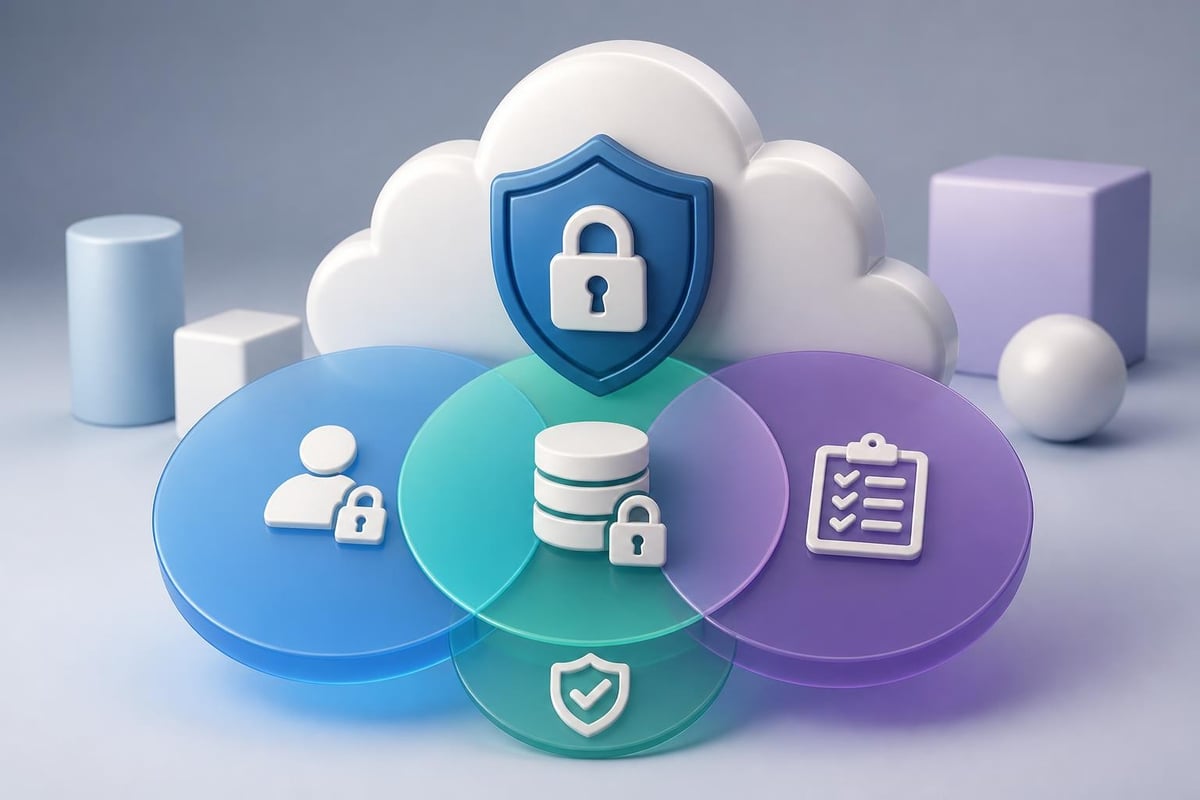
Businesses operating in regulated industries face additional requirements when addressing cloud computing and data security. The General Data Protection Regulation (GDPR), which continues to govern UK data protection in 2026, imposes strict requirements on how organisations handle personal information in cloud environments.
Meeting Regulatory Requirements
Compliance frameworks typically mandate specific security controls:
- Regular security assessments and penetration testing
- Data residency requirements ensuring information stays within specific geographic boundaries
- Audit trails documenting access to sensitive data
- Incident response procedures and breach notification processes
- Data retention and deletion policies
Many organisations in the North West are discovering that Cyber Essentials certification is becoming a contractual requirement. This government-backed scheme provides a baseline for cloud computing and data security practices.
Organisations considering cloud adoption must evaluate providers based on their compliance certifications. Reputable providers maintain certifications such as ISO 27001, SOC 2, and industry-specific standards that demonstrate their commitment to security best practices.
Monitoring and Threat Detection
Proactive monitoring represents a vital component of cloud computing and data security strategies. Unlike traditional on-premises environments where perimeter security dominates, cloud environments require continuous visibility across distributed resources.
Implementing Comprehensive Monitoring
Effective cloud security monitoring encompasses several key activities:
- Log aggregation from all cloud services and applications
- Real-time alerting for suspicious activities or policy violations
- Behaviour analytics to identify unusual patterns that might indicate compromise
- Security information and event management (SIEM) to correlate data from multiple sources
- Automated response to common security events
The importance of continuous monitoring cannot be overstated, particularly when dealing with large volumes of data in cloud environments. Automated tools can detect anomalies that human analysts might miss, whilst reducing the time between breach occurrence and detection.
Incident Response Planning
Despite robust preventive measures, organisations must prepare for potential security incidents. A comprehensive incident response plan should address:
- Initial detection and triage procedures
- Containment strategies that limit damage whilst preserving evidence
- Investigation protocols to determine the scope and cause of incidents
- Recovery procedures to restore normal operations
- Post-incident reviews to improve security posture
Regular testing through tabletop exercises and simulated incidents ensures teams can respond effectively when real threats emerge.
Cloud Migration Security Considerations
As businesses transition workloads to cloud platforms, they must address cloud computing and data security throughout the migration process. Poor planning during migration can introduce vulnerabilities that persist long after deployment.
Pre-Migration Security Assessment
Before migrating any systems, organisations should:
- Inventory all data and classify it by sensitivity
- Identify compliance requirements that affect cloud deployment
- Assess current security controls and determine which translate to cloud environments
- Evaluate potential cloud providers based on security capabilities
- Design network architecture that maintains appropriate segmentation
Business cloud migration services must incorporate security considerations from the earliest planning stages. Attempting to retrofit security controls after migration typically proves more costly and less effective than building them into the migration strategy.
Secure Migration Execution
During the migration process itself, several security measures prove essential:
| Migration Phase | Security Considerations | Key Actions |
|---|---|---|
| Planning | Data classification, risk assessment | Document security requirements |
| Preparation | Account setup, network design | Configure baseline security controls |
| Migration | Data transfer, testing | Use encrypted connections, validate configurations |
| Validation | Security testing, compliance verification | Conduct penetration tests, review access logs |
| Optimisation | Ongoing improvements, monitoring setup | Implement continuous security monitoring |
The benefits of cloud infrastructure for business extend beyond cost savings when security is properly implemented from the outset.
Data Backup and Disaster Recovery
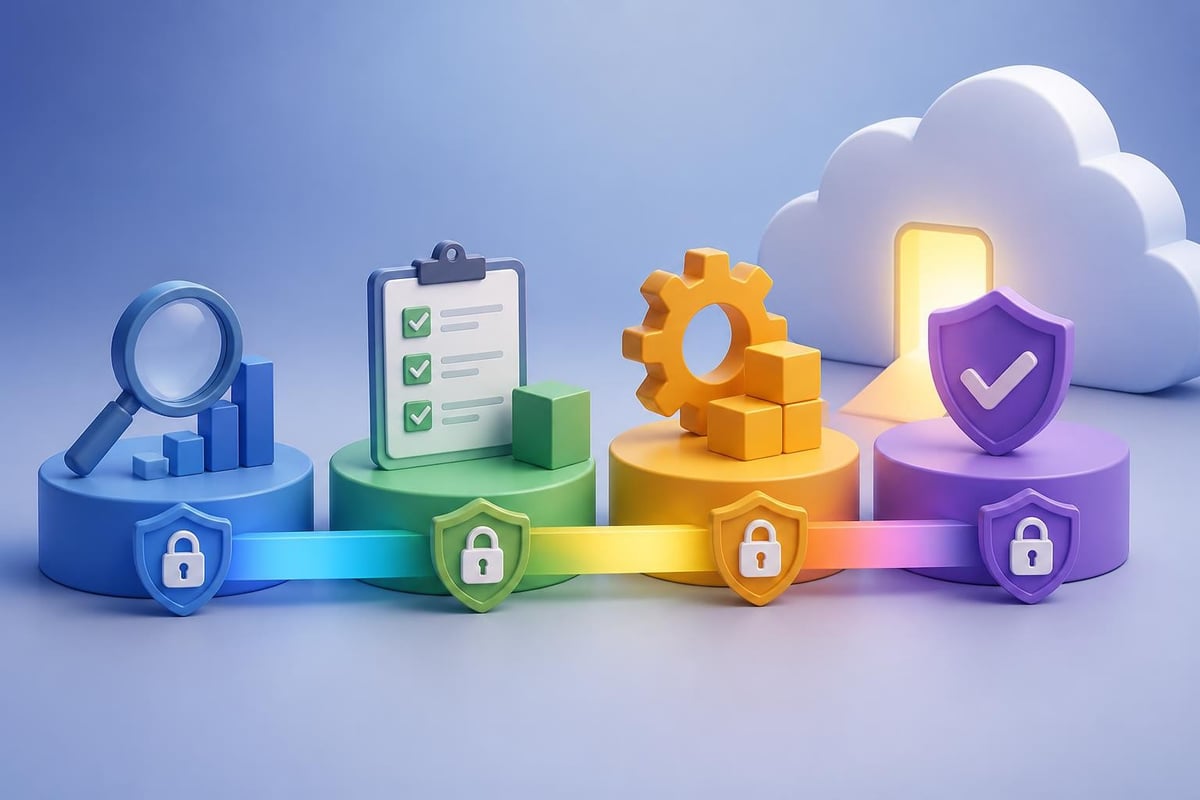
Cloud computing and data security strategies must address business continuity through robust backup and disaster recovery capabilities. Whilst cloud providers offer high availability, businesses remain responsible for protecting against data loss from accidental deletion, ransomware, or application errors.
Implementing the 3-2-1 Backup Rule
Even in cloud environments, the traditional 3-2-1 backup rule remains relevant:
- Maintain three copies of important data
- Store backups on two different media types
- Keep one copy offsite or in a separate cloud region
Modern cloud backup strategies often extend this to a 3-2-1-1-0 model, adding an immutable backup copy and zero errors through verification. Immutable backups, which cannot be modified or deleted for a specified period, provide crucial protection against ransomware that might otherwise encrypt backup copies.
Testing Recovery Procedures
Creating backups without testing recovery procedures offers false confidence. Regular disaster recovery testing should:
- Verify that backups complete successfully and contain usable data
- Measure recovery time objectives (RTOs) against business requirements
- Confirm recovery point objectives (RPOs) meet data loss tolerances
- Document procedures so multiple team members can execute recoveries
- Identify gaps in backup coverage or recovery capabilities
Organisations providing managed IT support for small business clients recognise that tested disaster recovery capabilities differentiate resilient businesses from those at risk during incidents.
Emerging Threats and Future Considerations
The landscape of cloud computing and data security continues to evolve as new threats emerge and technologies advance. Staying ahead of these changes requires ongoing investment in security capabilities and awareness of developing risks.
Current Threat Trends
Several threat categories demand particular attention in 2026:
- Advanced persistent threats (APTs) that establish long-term presence in cloud environments
- Supply chain attacks targeting cloud service providers and third-party integrations
- Misconfiguration exploitation where attackers leverage incorrectly configured cloud services
- Account takeover through credential stuffing and phishing campaigns
- Data exfiltration by insiders or external attackers who gain legitimate access
Understanding cloud security risks and controls helps organisations prioritise defensive measures based on the most likely and impactful threats they face.
Artificial Intelligence in Cloud Security
Artificial intelligence and machine learning increasingly contribute to cloud computing and data security. These technologies enable:
- Automated threat detection that identifies patterns humans might miss
- Predictive analytics that anticipate potential security incidents
- Behavioural analysis that establishes baselines and flags anomalies
- Automated response that contains threats before significant damage occurs
However, AI also presents new security challenges. Adversaries increasingly use AI to enhance attacks, creating an ongoing arms race between defensive and offensive capabilities.
Selecting Secure Cloud Providers
Choosing the right cloud provider fundamentally impacts an organisation's cloud computing and data security posture. Not all providers offer equivalent security capabilities, and businesses must evaluate potential partners carefully.
Key Evaluation Criteria
When assessing cloud providers, organisations should examine:
- Security certifications demonstrating compliance with recognised standards
- Data centre locations and their implications for data residency requirements
- Encryption capabilities including options for customer-managed keys
- Incident response procedures and communication protocols
- Service level agreements that define availability and support commitments
- Exit strategies ensuring data portability if switching providers becomes necessary
The process of selecting IT support providers applies equally to cloud services, requiring thorough due diligence and alignment with business requirements.
Vendor Security Assessments
Comprehensive provider assessments should include:
- Reviewing third-party audit reports and certifications
- Understanding the provider's physical and logical security controls
- Evaluating their incident history and response to past breaches
- Assessing their financial stability and long-term viability
- Testing their support responsiveness and technical expertise
Organisations increasingly require providers to complete detailed security questionnaires and participate in regular review meetings to maintain visibility into their security practices.
Organisational Culture and Training
Technology alone cannot solve cloud computing and data security challenges. Organisations must cultivate a security-aware culture where employees understand their role in protecting cloud-based information.
Security Awareness Programs
Effective security training should:
- Occur regularly rather than as one-time events
- Address specific cloud security risks relevant to employee roles
- Include practical examples and realistic scenarios
- Test understanding through simulated phishing exercises
- Reinforce the business impact of security incidents
Employees represent both the greatest vulnerability and the most important defence against many cloud security threats. Well-trained staff can identify and report suspicious activities before they escalate into significant incidents.
Developing Security Champions
Organisations benefit from identifying security champions within departments who receive additional training and serve as first points of contact for security questions. These individuals help bridge the gap between security teams and business units, ensuring security considerations inform day-to-day decisions.
Performance and Security Balance
While implementing robust cloud computing and data security measures, organisations must balance security requirements against performance needs. Overly restrictive controls can impede legitimate business activities, whilst insufficient security exposes organisations to unacceptable risks.
Optimising Security Controls
Achieving appropriate balance requires:
- Risk-based approaches that apply stronger controls to more sensitive data
- User experience consideration ensuring security measures don't unnecessarily hinder productivity
- Performance testing to verify security controls don't degrade application responsiveness
- Regular review of security policies to remove outdated restrictions
- Automation to enforce security without manual intervention
Modern cloud platforms offer sophisticated controls that maintain security without compromising performance when properly configured. Understanding these capabilities allows organisations to protect their assets whilst enabling business agility.
Protecting business information in cloud environments requires comprehensive strategies that address technical controls, organisational processes, and ongoing vigilance against evolving threats. By implementing proper encryption, access controls, monitoring, and compliance measures, organisations can confidently leverage cloud computing whilst maintaining robust data security. Blowfish Technology provides expert guidance and managed services to help North West businesses implement secure cloud solutions with proactive monitoring, disaster recovery capabilities, and comprehensive protection tailored to your specific requirements.

The Blowfish Technology team. Managed IT, cloud services, software development and connectivity for North West businesses since 1999.