
As businesses across the North West and throughout the UK continue their digital transformation journeys, the importance of robust cloud internet security has never been more critical. With organisations increasingly relying on cloud-based platforms for everything from email and document storage to customer relationship management and financial systems, the security of these digital assets becomes paramount. The transition to remote and hybrid working models has accelerated cloud adoption, making it essential for businesses to understand and implement comprehensive security measures that protect their data, maintain compliance, and ensure business continuity.
Understanding Cloud Internet Security in 2026
Cloud internet security encompasses the technologies, policies, and controls deployed to protect data, applications, and infrastructure associated with cloud computing. Unlike traditional on-premises security, cloud security operates in a shared responsibility model where providers and customers must work together to maintain protection.
The landscape has evolved dramatically since the early days of cloud computing. Today's threats are more sophisticated, with cybercriminals leveraging artificial intelligence and automation to identify vulnerabilities. Data breaches, ransomware attacks, and unauthorised access remain the primary concerns for businesses migrating to cloud environments.
The Shared Responsibility Model
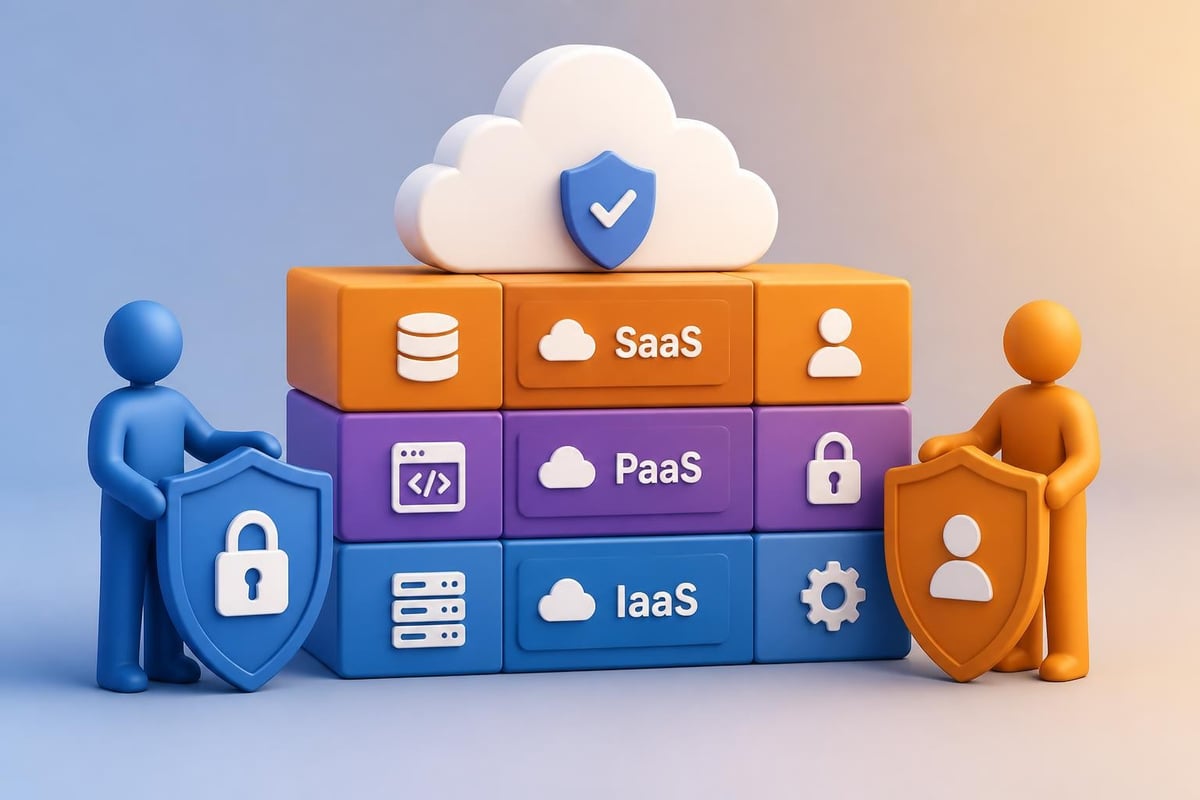
Understanding who is responsible for what is fundamental to cloud internet security. Cloud service providers typically secure the infrastructure, including physical data centres, networks, and virtualisation layers. However, customers remain responsible for securing their data, managing user access, and configuring security settings correctly.
This division of responsibility varies depending on the service model:
| Service Model | Provider Responsibility | Customer Responsibility |
|---|---|---|
| Infrastructure as a Service (IaaS) | Physical infrastructure, network, virtualisation | Operating systems, applications, data, access management |
| Platform as a Service (PaaS) | Infrastructure, runtime environment, middleware | Applications, data, user access |
| Software as a Service (SaaS) | Everything except user access and data classification | User access, data security, compliance |
Businesses must clearly understand these boundaries to avoid security gaps. Many breaches occur because organisations assume their cloud provider handles security aspects that actually fall within customer responsibility.
Primary Threats to Cloud Internet Security
The threat landscape continues to evolve, with attackers developing increasingly sophisticated methods to compromise cloud environments. Understanding common cloud security risks enables businesses to implement appropriate countermeasures.
Data Breaches and Unauthorised Access
Data breaches remain the most significant threat to cloud internet security. Cybercriminals target cloud repositories because they often contain vast quantities of sensitive information. Weak passwords, compromised credentials, and inadequate access controls create opportunities for unauthorised individuals to access confidential data.
Multi-factor authentication (MFA) has become essential rather than optional. Implementing MFA reduces the risk of credential-based attacks by requiring additional verification beyond passwords. Businesses should enforce MFA across all cloud services, particularly for administrative accounts with elevated privileges.
Misconfiguration and Human Error
Research consistently shows that misconfiguration is one of the leading causes of cloud security incidents. Simple mistakes like leaving storage buckets publicly accessible or failing to enable encryption can expose sensitive data to the entire internet.
Regular security audits and configuration reviews help identify these vulnerabilities before attackers exploit them. Automated tools can scan cloud environments continuously, alerting security teams to potential misconfigurations. For organisations seeking comprehensive protection, managed cyber security services provide expert oversight and proactive monitoring.
Insecure APIs and Interfaces
Application Programming Interfaces (APIs) enable cloud services to communicate and integrate with other systems. However, poorly secured APIs represent significant vulnerabilities in cloud internet security frameworks. Attackers can exploit weak API authentication, insufficient encryption, or inadequate rate limiting to gain unauthorised access or launch denial-of-service attacks.
Implementing robust API security requires:
- Strong authentication mechanisms
- Encryption for data in transit
- Regular security testing and vulnerability assessments
- Rate limiting and throttling to prevent abuse
- Comprehensive logging and monitoring
Implementing Cloud Internet Security Best Practices
Protecting cloud environments requires a multi-layered approach that addresses technical, administrative, and physical security dimensions. Cloud security best practices provide a framework for building resilient security architectures.
Identity and Access Management
Effective identity and access management (IAM) forms the foundation of cloud internet security. Implementing the principle of least privilege ensures users only have access to resources necessary for their roles. Regular access reviews help identify and remove unnecessary permissions that accumulate over time.
Key IAM practices include:
- Implementing role-based access control (RBAC)
- Enforcing strong password policies
- Requiring multi-factor authentication for all users
- Conducting regular access audits and certifications
- Automating user provisioning and de-provisioning processes
- Monitoring for suspicious authentication attempts
Organisations should also implement privileged access management (PAM) for administrative accounts, requiring additional verification and monitoring for high-risk activities.
Data Encryption and Protection
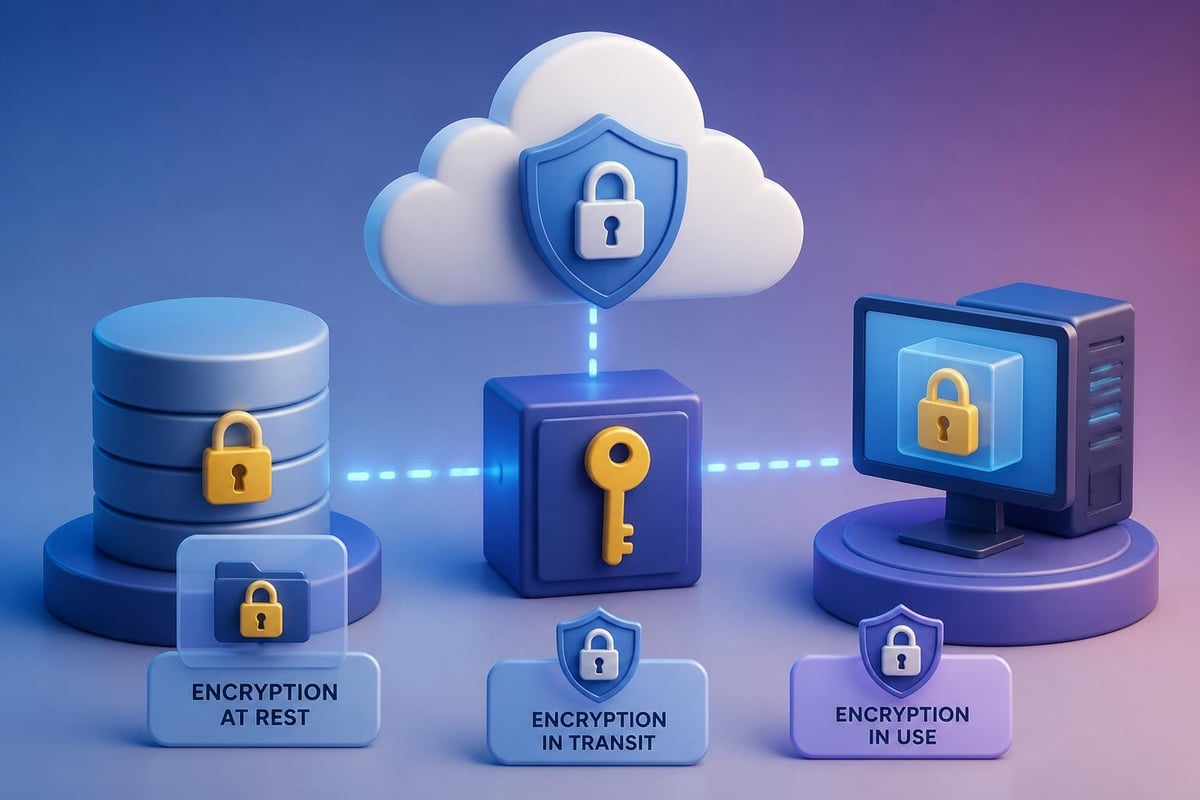
Encryption protects data both at rest and in transit, ensuring that even if attackers gain access to storage systems or intercept network traffic, the information remains unreadable. Modern cloud internet security strategies implement encryption as a standard practice rather than an optional enhancement.
Businesses should encrypt sensitive data before uploading it to cloud services, maintaining control over encryption keys. This approach, known as client-side encryption, ensures that even cloud service providers cannot access the plaintext data. For structured data stored in cloud databases, field-level encryption protects particularly sensitive information like payment card numbers or national insurance details.
Network Security and Segmentation
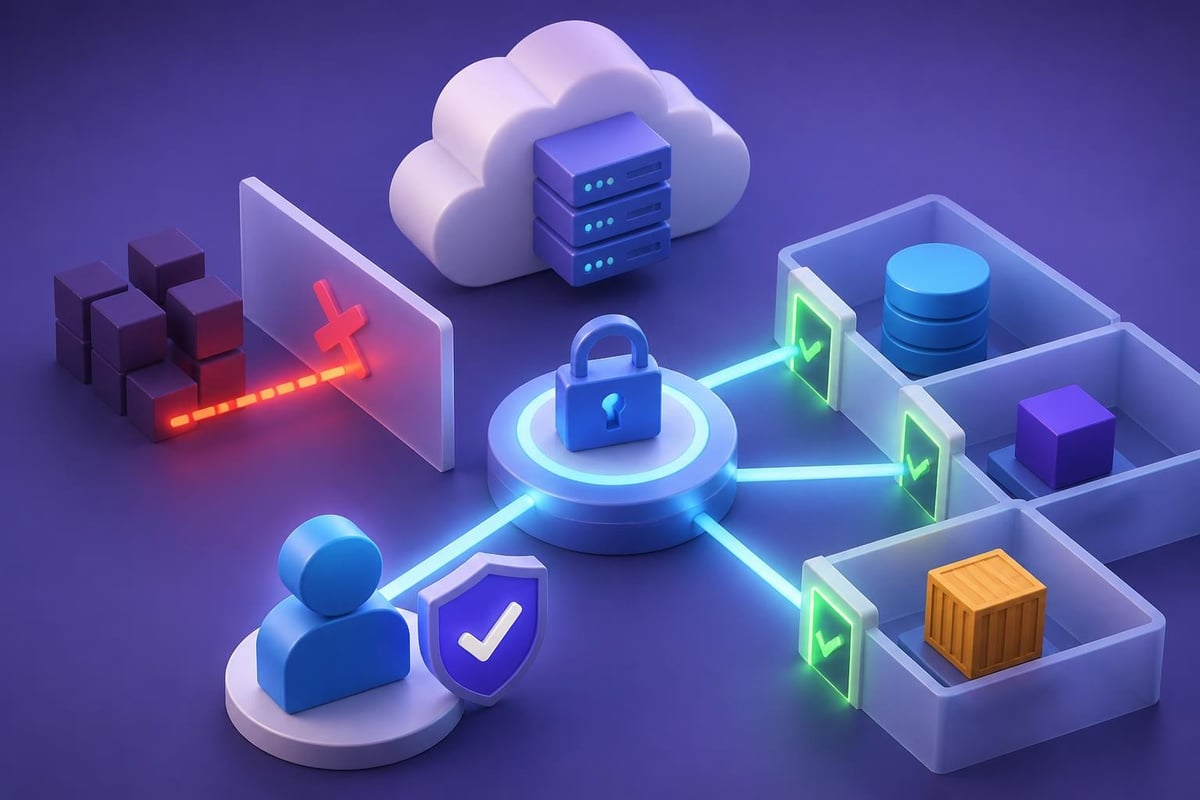
Cloud environments require robust network security controls to prevent unauthorised access and contain potential breaches. Virtual private clouds (VPCs) create isolated network environments within public cloud infrastructure, providing an additional security layer.
Network segmentation divides cloud resources into separate zones based on sensitivity and function. This architecture limits lateral movement if attackers compromise one segment, preventing them from accessing the entire environment. Implementing proper firewall rules, network access control lists, and security groups ensures only authorised traffic flows between segments.
Addressing Common Cloud Security Challenges
Despite best efforts, organisations face numerous challenges when implementing cloud internet security. Common cloud security challenges require strategic approaches and ongoing attention.
Visibility and Monitoring Gaps
Maintaining comprehensive visibility across cloud environments presents significant challenges, particularly for organisations using multiple cloud providers. Traditional security tools designed for on-premises infrastructure often struggle to provide adequate monitoring in dynamic cloud environments.
Implementing cloud-native security tools specifically designed for cloud architectures addresses these visibility gaps. Cloud security posture management (CSPM) solutions continuously assess configurations, identify vulnerabilities, and ensure compliance with security policies. Security information and event management (SIEM) systems aggregate logs from various cloud services, enabling security teams to detect and respond to threats effectively.
| Monitoring Area | Tools Required | Key Metrics |
|---|---|---|
| Configuration | CSPM, Cloud Config Auditors | Compliance score, misconfiguration count, remediation time |
| Access | IAM Analytics, UEBA | Failed login attempts, privilege escalations, anomalous access patterns |
| Data | DLP, CASB | Data exfiltration attempts, policy violations, sensitive data exposure |
| Network | Cloud-native firewalls, Flow logs | Suspicious connections, bandwidth anomalies, blocked attacks |
Compliance and Regulatory Requirements
Businesses must ensure their cloud internet security practices meet various regulatory requirements, including GDPR, Cyber Essentials, and industry-specific standards. Compliance challenges multiply when data resides in multiple geographic locations with different regulatory frameworks.
Understanding where data is stored and processed is crucial for compliance. Cloud providers typically offer data residency options, allowing organisations to specify geographic regions for their resources. For businesses requiring Cyber Essentials certification, implementing appropriate technical controls and maintaining documentation becomes essential.
Incident Response and Breach Detection
Detecting and responding to cloud security breaches quickly minimises damage and reduces recovery costs. However, the distributed nature of cloud environments complicates incident response efforts.
Developing cloud-specific incident response plans ensures teams understand how to investigate and contain breaches in cloud environments. These plans should address:
- Detection mechanisms and alerting procedures
- Containment strategies for different breach scenarios
- Evidence collection and forensic analysis in cloud environments
- Communication protocols for stakeholders and regulators
- Recovery and restoration processes
Regular tabletop exercises and simulations help teams practice responding to cloud security incidents, identifying gaps in procedures and improving response times.
Emerging Threats and Future Considerations
The cloud internet security landscape continues to evolve, with new threats emerging as technology advances. Cybersecurity risks for 2026 include AI-powered attacks, sophisticated social engineering, and supply chain vulnerabilities.
Artificial Intelligence and Machine Learning Attacks
Cybercriminals increasingly leverage artificial intelligence to automate attack processes, identify vulnerabilities, and evade detection systems. AI-powered tools can analyse security configurations, identify weaknesses, and launch targeted attacks at scale.
Defending against these sophisticated threats requires equally advanced security measures. Machine learning models can analyse user behaviour patterns, detect anomalies, and identify potential threats before they cause damage. However, organisations must ensure their security teams understand how these tools work and can interpret their outputs effectively.
Container and Kubernetes Security
As businesses adopt containerised applications and orchestration platforms like Kubernetes, cloud internet security must extend to these new technologies. Containers introduce unique security challenges, including image vulnerabilities, runtime threats, and misconfigured orchestration platforms.
Securing containerised environments requires:
- Scanning container images for vulnerabilities before deployment
- Implementing runtime security monitoring
- Enforcing network policies between containers
- Managing secrets and sensitive configuration data
- Regularly updating base images and dependencies
Zero Trust Architecture
The traditional perimeter-based security model assumes everything inside the network is trustworthy, an approach that fails in cloud environments. Zero trust architecture operates on the principle of "never trust, always verify," requiring authentication and authorisation for every access request regardless of location.
Implementing zero trust in cloud environments involves:
- Verifying user and device identity for every access request
- Enforcing least privilege access policies
- Inspecting and logging all traffic
- Assuming breach and limiting lateral movement
- Continuously monitoring and validating trust
This approach significantly enhances cloud internet security by eliminating implicit trust and reducing the attack surface.
Building a Comprehensive Security Strategy
Developing an effective cloud internet security strategy requires aligning technical controls with business objectives and risk tolerance. Organisations should begin by assessing their current security posture, identifying gaps, and prioritising improvements based on risk.
Security Assessment and Risk Analysis
Conducting thorough security assessments provides visibility into existing vulnerabilities and helps prioritise remediation efforts. These assessments should evaluate configurations, access controls, encryption implementations, and compliance status across all cloud environments.
Risk analysis identifies which assets are most critical to business operations and what threats pose the greatest danger. This information guides resource allocation, ensuring security investments address the most significant risks first. For businesses requiring expert guidance, managed IT services provide comprehensive assessments and ongoing security management.
Staff Training and Security Awareness
Human error remains one of the leading causes of security incidents. Investing in security awareness training helps staff recognise threats like phishing attempts, social engineering, and suspicious activities. Regular training sessions should cover:
- Recognising and reporting security incidents
- Creating strong passwords and using MFA
- Handling sensitive data appropriately
- Understanding cloud security responsibilities
- Following secure configuration practices
Training should be role-specific, with administrators receiving in-depth technical training on securing cloud resources whilst general staff focus on recognising common threats.
Backup and Disaster Recovery
Comprehensive backup solutions form an essential component of cloud internet security strategy. Whilst cloud services typically provide high availability, they do not protect against accidental deletion, ransomware attacks, or data corruption.
Implementing the 3-2-1 backup rule ensures data resilience:
- Maintain three copies of data
- Store backups on two different media types
- Keep one copy off-site or in a different cloud region
Regular backup testing verifies that recovery processes work as expected, ensuring business continuity when incidents occur.
Cloud Internet Security for Hybrid Environments
Many organisations operate hybrid environments, combining on-premises infrastructure with cloud services. These environments require cohesive security strategies that protect data and applications regardless of location.
Securing Cloud Connectivity
Secure connectivity between on-premises infrastructure and cloud environments prevents unauthorised access and data interception. Virtual private networks (VPNs) and dedicated connections encrypt traffic between locations, ensuring confidentiality and integrity.
For businesses with multiple office locations across regions requiring secure cloud access, implementing robust connectivity solutions with integrated security controls provides protection without compromising performance.
Data Governance and Classification
Effective data governance ensures consistent security policies apply across hybrid environments. Data classification schemes identify sensitivity levels, enabling appropriate security controls for each category. For example, confidential customer data might require encryption and strict access controls, whilst public marketing materials need minimal protection.
Implementing data loss prevention (DLP) tools helps enforce governance policies, preventing sensitive information from leaving approved systems. These tools can monitor cloud applications, email systems, and file transfers, blocking unauthorised data movements.
Integration with Existing Security Infrastructure
Cloud internet security solutions should integrate with existing security infrastructure rather than creating isolated systems. This integration enables centralised monitoring, consistent policy enforcement, and streamlined incident response.
Security orchestration, automation, and response (SOAR) platforms coordinate activities across multiple security tools, automating routine tasks and accelerating incident response. Integration also ensures security teams maintain visibility across the entire environment, preventing blind spots that attackers might exploit.
Robust cloud internet security requires ongoing commitment, combining technical controls, staff training, and strategic planning to protect business assets in increasingly complex digital environments. As threats evolve and cloud adoption accelerates, organisations must continuously assess and enhance their security posture to maintain resilience. Blowfish Technology provides comprehensive managed IT and cyber security services across the North West and throughout the UK, helping businesses implement and maintain robust cloud security frameworks that protect critical assets whilst enabling digital innovation. Contact us today to discuss how our proactive approach to cloud security can safeguard your organisation's future.

The Blowfish Technology team. Managed IT, cloud services, software development and connectivity for North West businesses since 1999.