
The digital landscape of 2026 presents unprecedented challenges for businesses across the UK. With cyber threats evolving at an alarming rate, organisations can no longer rely solely on traditional security measures such as firewalls and antivirus software. Cyber security monitoring services have become essential for businesses that need continuous protection against sophisticated attacks, data breaches, and operational disruptions. These services provide round-the-clock surveillance of your IT infrastructure, ensuring threats are identified and neutralised before they cause significant damage.
Understanding Cyber Security Monitoring Services
Cyber security monitoring services involve the continuous observation and analysis of an organisation's IT environment to detect, prevent, and respond to security threats. Unlike passive security measures, these services actively hunt for indicators of compromise, unusual activity patterns, and potential vulnerabilities within your systems.
The core function revolves around collecting and analysing vast amounts of data from multiple sources. This includes network traffic, server logs, application behaviour, user activities, and endpoint devices. Security analysts use advanced tools and methodologies to identify anomalies that might indicate a security incident.
Modern monitoring services have evolved significantly from simple log collection. They now incorporate artificial intelligence, machine learning, and behavioural analytics to detect zero-day threats and advanced persistent threats (APTs) that traditional signature-based systems might miss. The National Cyber Security Centre provides comprehensive guidance on security monitoring that emphasises the importance of active analysis rather than passive logging.
Key Components of Effective Monitoring
A robust cyber security monitoring service comprises several critical elements working in harmony:
- Log Management and Analysis: Collection and correlation of logs from firewalls, servers, databases, and applications
- Network Traffic Monitoring: Real-time inspection of data flows to identify suspicious patterns
- Endpoint Detection and Response (EDR): Monitoring individual devices for malicious activities
- Threat Intelligence Integration: Incorporating global threat data to identify known attack patterns
- User Behaviour Analytics (UBA): Detecting insider threats and compromised credentials through behavioural analysis
- Vulnerability Management: Continuous scanning for weaknesses in systems and applications
The effectiveness of cyber security monitoring services depends heavily on the quality of log sources utilised. The NCSC’s guidance on log sources provides valuable insights into identifying and prioritising which systems should feed data into your monitoring infrastructure.

Why Businesses Need Professional Monitoring Services
The average business generates thousands of security events daily. Without proper monitoring, critical threats become buried beneath false positives and routine alerts. Professional cyber security monitoring services employ skilled analysts who can distinguish genuine threats from background noise.
Time is the most critical factor in cyber security incidents. The longer an attacker remains undetected within your network, the more damage they can inflict. Industry research indicates that the average dwell time for attackers in compromised networks can extend to several weeks or even months. Continuous monitoring reduces this window dramatically.
Many UK businesses, particularly SMEs, lack the internal resources to maintain 24/7 security operations. Recruiting, training, and retaining cyber security specialists is expensive and challenging. Understanding what a managed service provider does can help businesses recognise the value proposition of outsourced monitoring capabilities.
Regulatory Compliance Requirements
Numerous regulatory frameworks now mandate continuous security monitoring:
| Regulation | Monitoring Requirement | Industry Application |
|---|---|---|
| GDPR | Continuous protection of personal data, breach detection within 72 hours | All businesses processing EU citizen data |
| PCI DSS | Real-time monitoring of card data environments | Retail, hospitality, e-commerce |
| NIS Regulations | Security monitoring for essential services | Healthcare, energy, transport |
| Cyber Essentials Plus | Evidence of active security monitoring | Government contractors, public sector suppliers |
The Cyber Essentials certification is becoming a condition of contract for many North West businesses, making monitoring services not just advisable but essential for maintaining competitive advantage.
How Cyber Security Monitoring Services Work
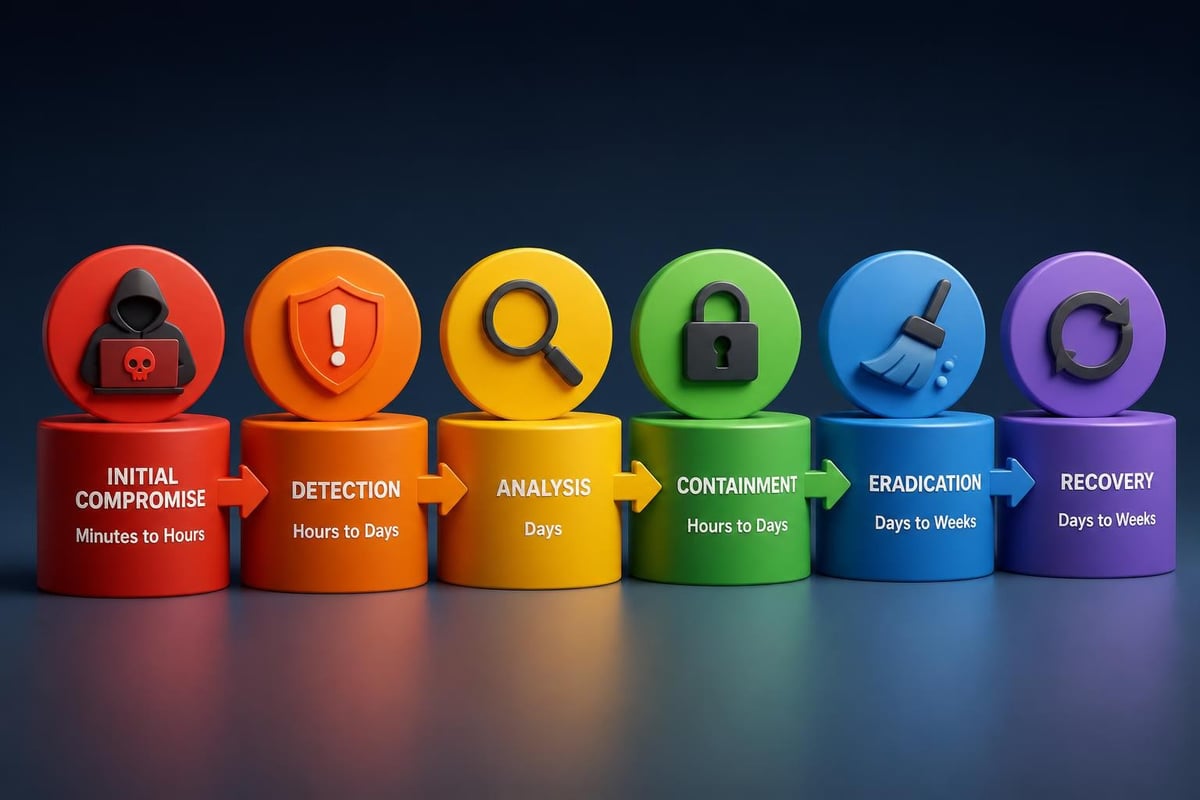
The operational model of cyber security monitoring services typically follows a structured methodology designed to maximise threat detection whilst minimising disruption to business operations.
Detection and Analysis Phase
Security Information and Event Management (SIEM) platforms form the backbone of most monitoring services. These systems aggregate data from diverse sources, normalising formats and correlating events across multiple systems. When the SIEM identifies patterns matching known threat signatures or suspicious behaviour, it generates alerts for analyst review.
Modern monitoring platforms leverage multiple detection techniques:
- Signature-based detection identifies known malware and attack patterns
- Anomaly detection flags deviations from established baselines
- Behavioural analysis identifies unusual user or system activities
- Threat intelligence correlation matches events against global threat databases
- Machine learning algorithms identify previously unknown attack patterns
The NCSC’s Cyber Assessment Framework on security monitoring outlines principle C1, which emphasises that organisations must have appropriate capabilities to detect cyber security events.
Response and Remediation
Detection is only valuable when coupled with rapid response. Professional cyber security monitoring services include defined escalation procedures and response protocols:
- Tier 1 Analysis: Initial alert triage and validation by frontline analysts
- Tier 2 Investigation: In-depth forensic analysis of confirmed incidents
- Tier 3 Response: Advanced threat hunting and incident containment
- Coordination: Communication with stakeholders and regulatory bodies
- Remediation: System restoration and security hardening
CISA’s cyber hygiene services demonstrate how proactive monitoring and mitigation strategies reduce exposure to threats, offering valuable frameworks that professional services adapt for UK business contexts.
Types of Monitoring Services Available
Businesses can choose from various cyber security monitoring service models depending on their requirements, budget, and risk profile.
Managed Detection and Response (MDR)
MDR services provide comprehensive monitoring with active threat hunting and response capabilities. Unlike traditional monitoring that simply alerts you to problems, MDR analysts take direct action to contain and remediate threats. This service model suits organisations lacking internal security expertise.
Security Operations Centre as a Service (SOCaaS)
SOCaaS delivers enterprise-grade security operations without the capital expenditure of building an internal security operations centre. Providers offer dedicated analyst teams, cutting-edge technology platforms, and 24/7/365 coverage. This model scales effectively for growing businesses.
Co-Managed Security Services
Some organisations prefer retaining partial control whilst augmenting their internal teams with external expertise. Co-managed services provide flexibility, allowing businesses to handle routine tasks whilst specialists manage complex threats and after-hours coverage.
| Service Model | Best For | Key Benefits | Typical Cost Range |
|---|---|---|---|
| MDR | SMEs without security teams | Active response, threat hunting | £2,000-£10,000/month |
| SOCaaS | Mid-sized businesses | Full SOC capabilities, scalability | £5,000-£25,000/month |
| Co-Managed | Enterprises with internal teams | Flexible support, cost control | £3,000-£15,000/month |
| Threat Monitoring Only | Budget-conscious organisations | Basic detection, self-response | £500-£3,000/month |
For manufacturing businesses facing unique operational technology challenges, cyber security for manufacturing companies requires specialised monitoring approaches that account for both IT and OT environments.
Essential Features to Look For
Selecting the right cyber security monitoring service requires careful evaluation of capabilities and features that align with your business needs.
Advanced Threat Detection Capabilities
The service should employ multiple detection methodologies beyond basic signature matching. Look for providers incorporating behavioural analytics, machine learning, and integration with threat intelligence feeds. Top threat intelligence feeds provide critical data that enhances detection accuracy.
Key technical capabilities include:
- Network traffic analysis (NTA) for identifying lateral movement
- User and entity behaviour analytics (UEBA) for insider threat detection
- Deception technology (honeypots) to identify attackers
- Cloud workload protection for hybrid environments
- Mobile device monitoring for remote workforce security
Comprehensive Coverage Across Your Environment
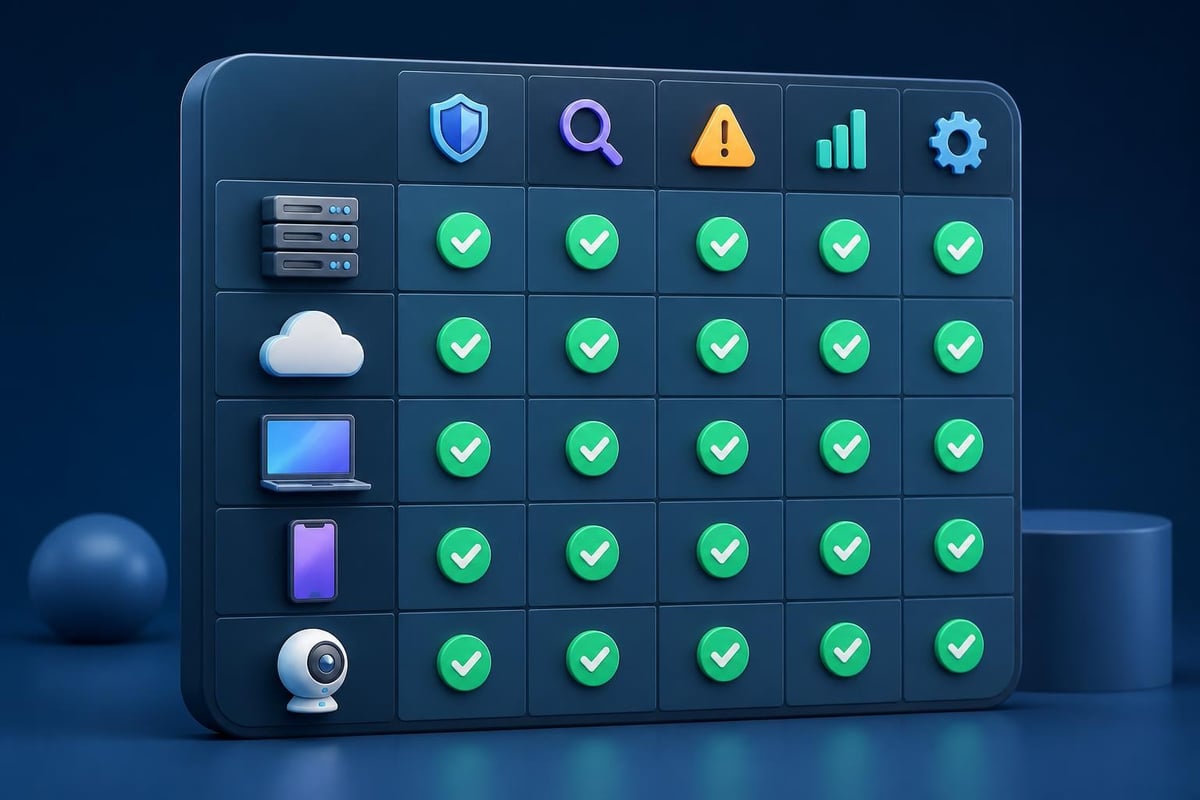
Your monitoring service must cover all critical assets and attack surfaces. This includes on-premises infrastructure, cloud services, remote endpoints, mobile devices, and increasingly, IoT devices. Partial coverage creates blind spots that attackers will exploit.
The NCSC’s guidance on logging and protective monitoring emphasises protecting various device types, which modern monitoring services must accommodate.
Rapid Response Times and Clear SLAs
Service Level Agreements (SLAs) define response times for different severity incidents. Understanding IT support SLA response times helps businesses evaluate whether proposed SLAs meet their risk tolerance and operational requirements.
Typical SLA tiers include:
- Critical incidents (active data breach): 15-30 minute response
- High severity (suspected compromise): 1-2 hour response
- Medium severity (policy violations): 4-8 hour response
- Low severity (informational alerts): 24-48 hour response
Integration with Existing Security Measures
Cyber security monitoring services work most effectively when integrated with your broader security architecture. They should complement rather than replace existing controls.
Synergy with Preventive Controls
Monitoring services detect threats that bypass preventive measures such as firewalls, email filters, and endpoint protection. When monitoring identifies a weakness in preventive controls, adjustments can strengthen your overall posture. This creates a feedback loop of continuous improvement.
The relationship between business backup solutions and monitoring services is particularly important. Monitoring can detect ransomware encryption attempts early, whilst backups provide recovery options if attacks succeed.
Cloud Service Integration
As businesses migrate to cloud platforms, monitoring must extend to these environments. AWS alert sources demonstrate the variety of security signals available in cloud environments, which comprehensive monitoring services should incorporate.
For organisations undertaking cloud migration, ensuring monitoring coverage transitions smoothly is critical. Security gaps during migration create opportunities for attackers.
Supporting Remote Workforce Security
The shift to hybrid working models has expanded attack surfaces dramatically. Monitoring services must track security events from remote endpoints, VPN connections, and cloud collaboration platforms. Given that 90% of cyber attacks start with email, monitoring email security events becomes particularly crucial.
The Human Element in Monitoring Services
Technology alone cannot deliver effective cyber security monitoring services. The expertise and experience of security analysts make the critical difference between detecting threats and suffering breaches.
Analyst Expertise and Training
Professional monitoring services employ analysts with diverse backgrounds and certifications. Look for teams holding credentials such as GIAC Security Essentials (GSEC), Certified Information Systems Security Professional (CISSP), or Certified Ethical Hacker (CEH).
Continuous training ensures analysts stay current with evolving threat landscapes. The best services invest heavily in analyst development, threat research, and participation in security communities.
Reducing Alert Fatigue
Security tools generate overwhelming volumes of alerts, many proving false positives. Skilled analysts develop playbooks and automation to handle routine alerts efficiently, focusing human expertise on genuine threats requiring investigation.
Effective alert management strategies include:
- Tuning detection rules to reduce false positives
- Automating response to known benign events
- Prioritising alerts based on business impact
- Implementing threat scoring to highlight critical events
- Regular review and refinement of detection logic
Understanding that employees can be security’s weakest link highlights why monitoring services must track insider threats alongside external attacks.
Measuring Monitoring Service Effectiveness
Businesses investing in cyber security monitoring services need metrics to evaluate performance and demonstrate value to stakeholders.
Key Performance Indicators
| Metric | Description | Target Range |
|---|---|---|
| Mean Time to Detect (MTTD) | Average time to identify security incidents | Under 15 minutes |
| Mean Time to Respond (MTTR) | Average time from detection to containment | Under 1 hour |
| False Positive Rate | Percentage of alerts proving non-threatening | Below 20% |
| Coverage Percentage | Proportion of assets actively monitored | Above 95% |
| Threat Intelligence Utilisation | Alerts using current threat intelligence | Above 80% |
Business Impact Metrics
Beyond technical metrics, businesses should track operational impacts:
- Prevented incidents: Threats stopped before causing damage
- Reduced downtime: Minimising IT downtime through rapid response
- Compliance achievements: Meeting regulatory monitoring requirements
- Cost avoidance: Calculating the real cost of downtime prevented
The security reference library from the Sonoran Desert Security User Group offers frameworks for measuring and improving security monitoring effectiveness.
Future Trends in Monitoring Services
Cyber security monitoring services continue evolving to address emerging threats and leverage new technologies.
Artificial Intelligence and Automation
Machine learning algorithms increasingly automate routine analysis tasks, allowing human analysts to focus on complex investigations. Research on explainable AI in cyber security highlights the growing importance of transparency in AI-based monitoring systems.
AI-driven capabilities emerging in 2026 include:
- Automated threat hunting that proactively searches for indicators of compromise
- Predictive analytics identifying attack patterns before they fully materialise
- Natural language processing for analysing unstructured threat intelligence
- Autonomous response systems containing specific threat types without human intervention
Extended Detection and Response (XDR)
XDR platforms integrate monitoring across endpoints, networks, cloud services, and applications into unified systems. This holistic approach provides better context for security events and improves detection accuracy.
Zero Trust Architecture Integration
Monitoring services increasingly support zero trust security models, where continuous verification replaces perimeter-based security. Every access request, user action, and data transfer becomes a monitored event requiring validation.
Selecting the Right Provider
Choosing cyber security monitoring services requires thorough evaluation of providers against your specific business requirements.
Essential Selection Criteria
Consider these factors when evaluating potential providers:
- Industry Experience: Proven track record in your sector
- Geographic Coverage: UK-based operations for compliance and support
- Technology Stack: Modern platforms with comprehensive integration capabilities
- Analyst Availability: True 24/7/365 coverage with adequate staffing
- Escalation Procedures: Clear processes for critical incidents
- Reporting Capabilities: Regular insights and executive-level summaries
- Compliance Knowledge: Understanding of UK regulatory requirements
Questions to Ask Prospective Providers
- What is your average MTTD and MTTR across your customer base?
- How many security analysts will be assigned to our account?
- Which threat intelligence feeds do you incorporate?
- What is your analyst retention rate and training programme?
- How do you handle after-hours critical incidents?
- Can you provide references from similar-sized UK businesses?
- What are your contractual terms and exit procedures?
For businesses seeking managed IT support, ensuring monitoring services integrate seamlessly with broader IT management creates operational efficiency.
Common Challenges and Solutions
Implementing cyber security monitoring services presents challenges that businesses should anticipate and address proactively.
Budget Constraints
Many organisations struggle to justify monitoring service costs, particularly SMEs with limited security budgets. However, consider the alternative costs of data breaches, regulatory fines, and operational disruption. Monitoring services typically represent a fraction of potential breach costs.
Cost optimisation strategies:
- Start with critical asset monitoring and expand coverage over time
- Choose co-managed services that leverage existing internal capabilities
- Negotiate volume discounts for multi-year commitments
- Prioritise monitoring for highest-risk systems and data
Integration Complexity
Legacy systems, diverse technology stacks, and complex network architectures can complicate monitoring service deployment. Professional providers should offer integration support and expertise in connecting various platforms.
Services from INCIBE-CERT demonstrate proactive approaches to incident response and monitoring that address integration challenges through standardised protocols.
Alert Overload Management
Even with professional services, poorly tuned monitoring generates excessive alerts that overwhelm response capabilities. Effective providers implement graduated alert severity levels, automated triage, and continuous tuning to optimise signal-to-noise ratios.
Balancing Security and Usability
Overly restrictive monitoring can impact business operations and user productivity. The best cyber security monitoring services find equilibrium between comprehensive surveillance and operational efficiency, tailoring approaches to business workflows.
Cyber security monitoring services have become indispensable for UK businesses navigating increasingly sophisticated threat landscapes in 2026. The combination of advanced technology, expert analysis, and continuous surveillance provides protection that traditional security measures cannot achieve alone. For organisations across the North West and throughout the UK seeking comprehensive security monitoring alongside managed IT services, cloud solutions, and connectivity, Blowfish Technology delivers proactive cyber security approaches that keep businesses running smoothly whilst protecting against evolving threats.

The Blowfish Technology team. Managed IT, cloud services, software development and connectivity for North West businesses since 1999.